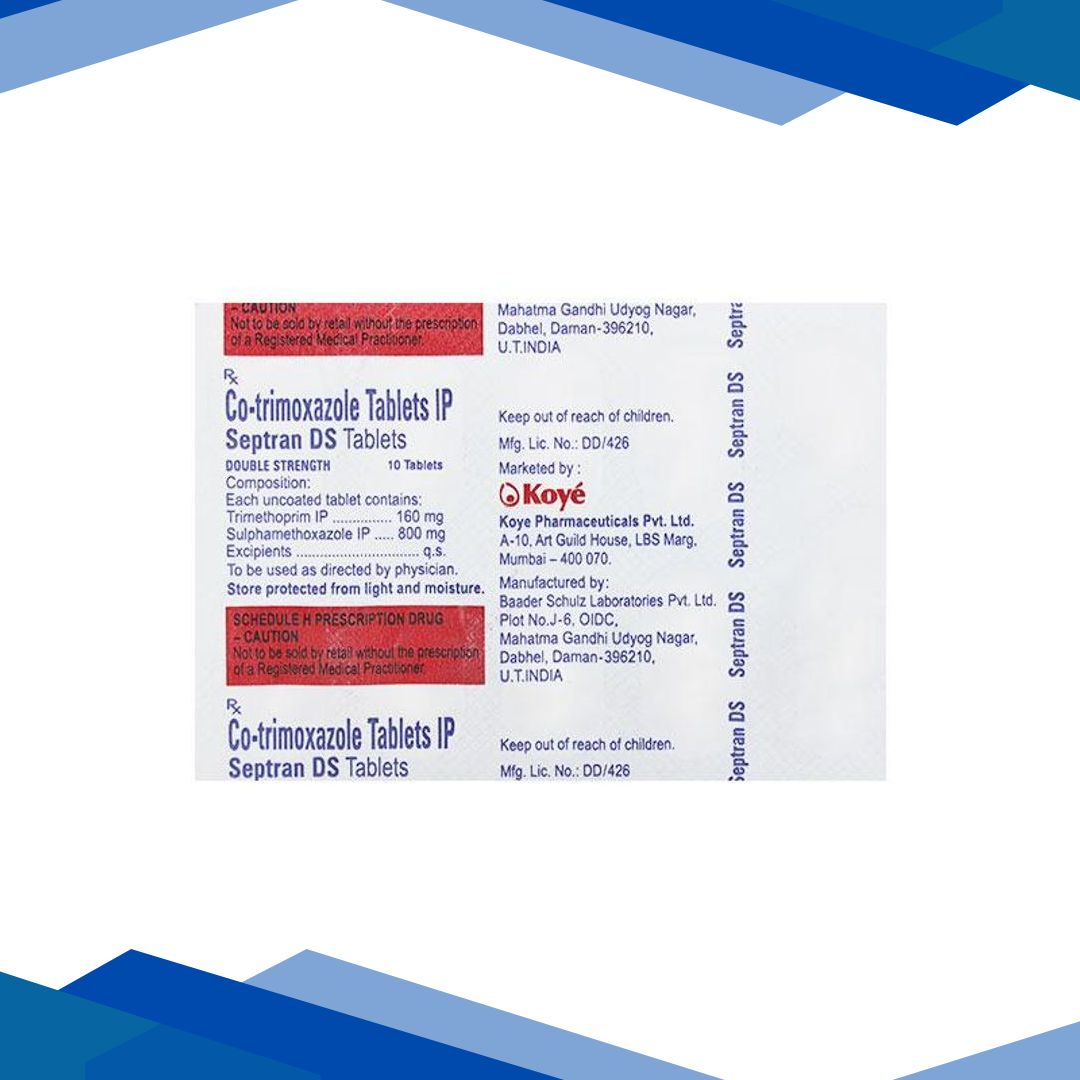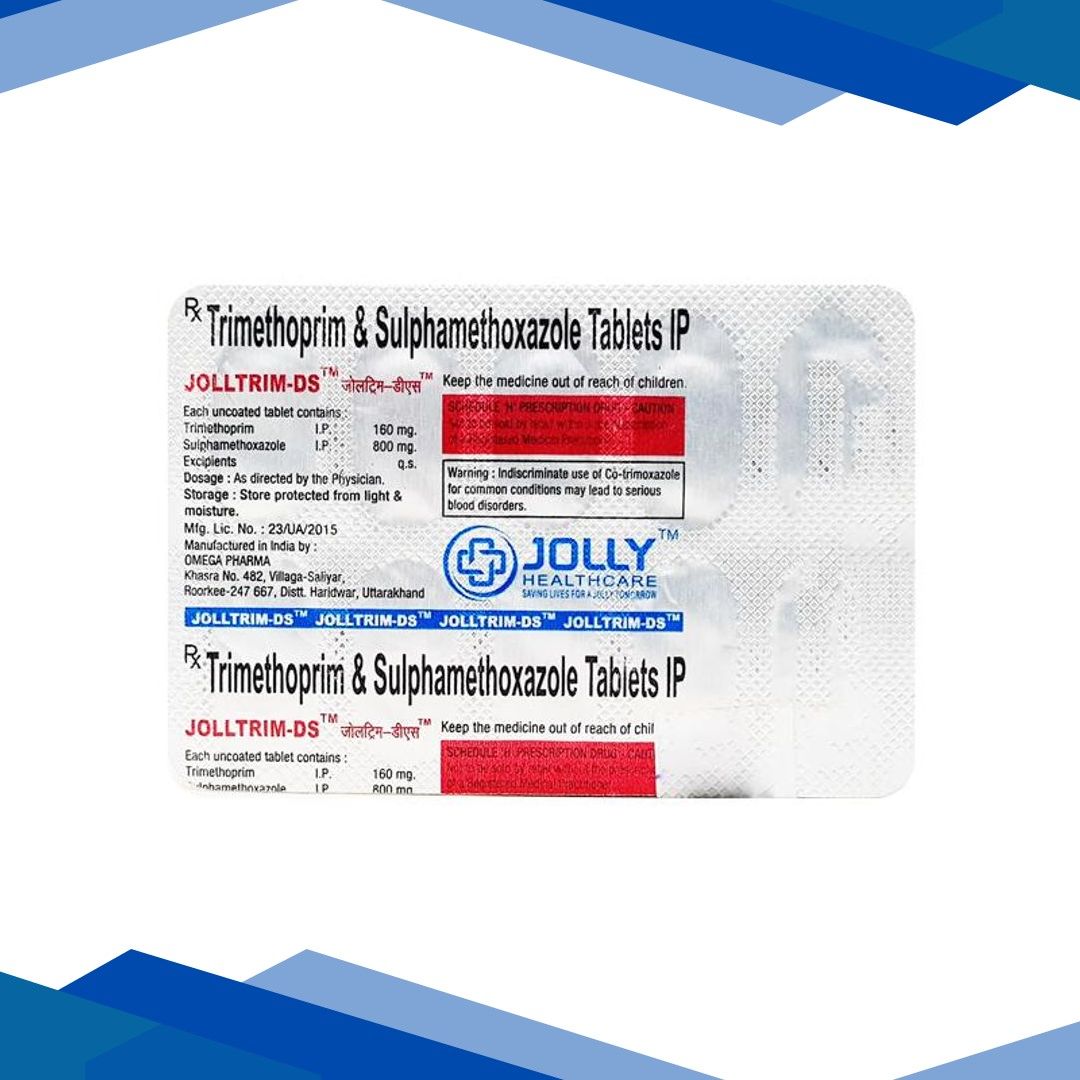
Tabrol DS Tablet 10’S
❌ Due to high demand, this product is currently out of stock. New stock will be available shortly.
👉 Click here to Buy Same Salt medicine
Tabrol DS Tablet is a combination antibiotic used to treat certain bacterial infections. It works by blocking two different steps that bacteria need to make folic acid, a substance important for their growth and survival. By stopping this process, the medicine helps kill the bacteria and clear the infection. It is commonly prescribed for urinary tract infections, some respiratory infections, ear infections, and certain types of intestinal infections. In some cases, it may also be used to treat or prevent specific infections in people with weaker immune systems, as advised by a healthcare professional. This medicine only works against bacteria, not viruses, so it should be used when prescribed for the right infection.
Description
Tabrol DS Tablet is a combination antibiotic medicine used to treat a variety of bacterial infections. it contains two active ingredients that work together in a complementary way, making the medicine more effective than either ingredient would be alone. this combination is commonly prescribed for infections caused by susceptible bacteria, including certain urinary tract infections, respiratory infections, intestinal infections, and some skin infections. in some situations, it is also used to help prevent or treat specific opportunistic infections in people with weakened immune systems, but only when a healthcare professional determines it is appropriate.
this medicine belongs to a class of antibiotics that interfere with bacterial folic acid synthesis, which is essential for bacterial growth and multiplication. sulphamethoxazole blocks one step in the production of folic acid, while trimethoprim blocks another step. because bacteria need folic acid to make dna and reproduce, stopping this process helps slow the spread of the infection and allows the body’s immune system to clear the bacteria more effectively. this combined action is called sequential blockade, and it is one of the reasons the medicine can be useful for certain infections.
Tabrol DS Tablet is not effective against viral illnesses such as the common cold or flu, and it should not be used for infections unless they are likely to be caused by bacteria sensitive to this antibiotic. its use should be guided by a healthcare professional because the medicine may not be suitable for everyone. some people may be at higher risk of side effects, allergic reactions, or interactions with other medicines. proper diagnosis is important to ensure the infection is treated safely and effectively.
people may be prescribed this medicine when they have an infection that is known or suspected to respond to it, or when other antibiotic choices are less appropriate. it is important to take the medicine exactly as directed and to complete the full course if prescribed, even if symptoms improve earlier. stopping antibiotics too soon can allow bacteria to return and may contribute to antibiotic resistance. if symptoms worsen or do not improve, medical review is needed.
ingredients
- sulphamethoxazole: this is the first active ingredient and works by blocking bacterial synthesis of dihydrofolic acid. by interfering with folate production, it limits bacterial growth and helps control the infection. it is particularly important because it attacks a pathway that bacteria need to survive, while human cells obtain folate differently.
- trimethoprim: this is the second active ingredient and works at a later step in the same folate pathway by inhibiting bacterial dihydrofolate reductase. when used with sulphamethoxazole, it strengthens the antibacterial effect and improves treatment effectiveness against susceptible bacteria.
- combined formulation: the combination is designed to produce a synergistic effect, meaning both ingredients work together better than either would on its own. this helps reduce bacterial replication and improves the chances of clearing certain infections when the bacteria are sensitive to the medicine.
key uses
- urinary tract infections: this medicine is often used for uncomplicated urinary tract infections caused by susceptible bacteria. it may help relieve symptoms such as burning during urination, frequent urination, and lower abdominal discomfort when the infection is bacterial.
- respiratory tract infections: it may be used for some bacterial infections affecting the lungs or airways, depending on the organism involved and the patient’s clinical condition. a healthcare professional will decide if it is appropriate based on the suspected cause of the infection.
- ear, nose, and throat infections: in some cases, it may be prescribed for certain bacterial infections in these areas, especially when the bacteria are known to be sensitive and other options are not suitable.
- skin and soft tissue infections: it can be used for selected skin infections caused by susceptible bacteria. in some settings, it may be considered when specific bacteria, including certain resistant strains, are suspected or confirmed.
- intestinal infections: it may be used for some bacterial gastrointestinal infections, depending on the organism and the severity of illness. it should only be taken under medical guidance for these conditions.
- prevention or treatment of specific opportunistic infections: in certain immunocompromised patients, this medicine may be used to prevent or treat particular infections if advised by a specialist. this use requires careful monitoring and is not appropriate for self-medication.
how to use
Tabrol DS Tablet should be used exactly as directed by a healthcare professional. it is usually taken by mouth and may be taken with or without food, although taking it with food or a full glass of water can help reduce stomach upset. swallow the tablet or dose form as instructed, and try to take it at evenly spaced times to maintain a steady level in the body. drinking enough fluids during treatment is often recommended unless your doctor has told you to limit fluids for another reason.
it is important to complete the full prescribed course, even if symptoms improve before the medicine is finished. symptoms may get better while some bacteria remain alive, and stopping early can lead to a return of the infection. do not take this medicine for longer than prescribed, and do not share it with others, because antibiotic treatment should always be individualized. if you miss a dose, take it when you remember unless it is almost time for the next dose; do not double up without medical advice.
if you are taking this medicine for a recurring or chronic condition, your healthcare professional may want to monitor blood tests or kidney function, depending on your health status and treatment duration. follow all instructions regarding timing, food, and duration carefully. if you are unsure how to take it, or if you have difficulty swallowing, vomiting, or severe diarrhea, ask a pharmacist or doctor for guidance before continuing.
safety information
- warnings: this medicine can cause serious allergic reactions, including rash, swelling, breathing difficulty, and severe skin reactions in rare cases. stop the medicine and seek urgent medical help if you develop hives, blistering rash, peeling skin, mouth sores, fever with rash, or signs of anaphylaxis. it may also affect blood counts, liver function, or kidney function in some people, especially during prolonged use or in those with underlying medical problems.
- side effects: common side effects may include nausea, vomiting, loss of appetite, mild diarrhea, headache, and a metallic taste. some people may notice increased sensitivity to sunlight or mild skin rash. serious side effects, though less common, can include severe allergic reactions, liver problems, kidney problems, low blood cell counts, unusual bleeding, severe diarrhea, or signs of high potassium such as weakness or irregular heartbeat.
- precautions: avoid or use only under medical supervision if you have a history of allergy to sulfonamide antibiotics or trimethoprim, severe kidney disease, liver disease, blood disorders, folate deficiency, or a history of serious drug rash. extra caution is needed in older adults, people with dehydration, and those with a weakened immune system. tell your doctor if you have asthma, g6pd deficiency, or if you are prone to repeated infections.
- pregnancy/breastfeeding: this medicine may not be suitable during pregnancy, especially near the end of pregnancy, because it can affect the baby’s bilirubin handling and folate metabolism. it may also require caution during the first trimester unless the benefit outweighs the risk. during breastfeeding, small amounts may pass into milk, so a healthcare professional should decide whether it is appropriate based on the infant’s age, health, and specific circumstances.
- interactions: this medicine can interact with warfarin and other blood thinners, increasing bleeding risk. it may also interact with methotrexate, phenytoin, digoxin, certain diabetes medicines, diuretics, ace inhibitors, arbs, and drugs that raise potassium, increasing the chance of side effects or toxic effects. alcohol does not have a classic direct interaction like with some antibiotics, but heavy drinking can worsen stomach upset or dehydration and should be avoided during illness. always tell your healthcare professional about all prescription medicines, over-the-counter products, vitamins, and herbal supplements you use.
additional information
- storage: store at room temperature in a dry place away from direct light and moisture. keep the medicine in its original container, tightly closed, and out of reach of children and pets. do not store it in a bathroom or near a kitchen sink where humidity can damage the product.
- missed dose: if you miss a dose, take it as soon as you remember unless it is close to the next scheduled dose. if it is almost time for the next dose, skip the missed one and continue with your regular schedule. do not take extra medicine to make up for a missed dose unless instructed by a healthcare professional.
- overdose: taking too much can cause nausea, vomiting, dizziness, confusion, drowsiness, reduced urine output, severe skin reactions, or abnormal blood test results. in serious cases, overdose may affect the kidneys, blood cells, or nervous system. if an overdose is suspected, seek emergency medical help or contact a poison center right away. bring the medicine package with you if possible.
- habit forming: no. this medicine is not considered habit forming or addictive. however, it should still be used only when needed and exactly as directed to reduce the risk of resistance and unwanted side effects.
frequently asked questions
Q: what is Tabrol DS Tablet used for?
A: Tabrol DS Tablet is used to treat certain bacterial infections such as urinary tract infections, some respiratory infections, some skin infections, and some intestinal infections when the bacteria are sensitive to it. it should only be used for conditions confirmed or suspected by a healthcare professional.
Q: can i take Tabrol DS Tablet with food?
A: yes, it is commonly taken with or without food. taking it with food or milk may help reduce stomach upset in some people. drinking plenty of water may also be helpful unless your doctor has advised fluid restriction.
Q: does Tabrol DS Tablet work for viral infections?
A: no. antibiotics like Tabrol DS Tablet do not treat viral infections such as the common cold, influenza, or most sore throats caused by viruses. using antibiotics when they are not needed can cause side effects and antibiotic resistance.
Q: what should i do if i develop a rash while taking this medicine?
A: a rash can be a sign of an allergic reaction, and some skin reactions can become serious. stop taking the medicine and contact a healthcare professional right away. seek emergency help if the rash is severe or accompanied by fever, blistering, swelling, or trouble breathing.
Q: can this medicine cause sun sensitivity?
A: yes, it can make some people more sensitive to sunlight. it is wise to limit sun exposure, wear protective clothing, and use sunscreen while taking it, especially if you notice redness or skin irritation after sun exposure.
Q: is Tabrol DS Tablet safe for everyone?
A: no. it may not be suitable for people with sulfonamide allergy, certain kidney or liver problems, blood disorders, folate deficiency, or a history of severe drug reactions. pregnant or breastfeeding people should discuss risks and benefits with a healthcare professional.
Q: can i stop taking it when i feel better?
A: it is important to complete the prescribed course unless your healthcare professional tells you otherwise. stopping early can allow the infection to return and may contribute to antibiotic resistance.
Q: what are signs of a serious side effect?
A: serious warning signs include severe rash, blistering or peeling skin, mouth sores, fever, yellowing of the skin or eyes, unusual bruising or bleeding, decreased urination, severe weakness, or trouble breathing. these require prompt medical attention.
Q: can i drink alcohol while taking this medicine?
A: alcohol is not known to cause a classic dangerous interaction with this antibiotic, but it may worsen nausea, dizziness, and dehydration during illness. it is generally better to avoid alcohol until you are feeling well and have finished treatment, unless your clinician says otherwise.
Q: why do doctors sometimes monitor blood tests during treatment?
A: in some patients, especially those with kidney issues, prolonged treatment, or other risk factors, doctors may monitor blood counts, kidney function, or electrolytes. this helps detect problems early and makes treatment safer.
Q: what if i have kidney disease?
A: people with kidney disease may need special assessment before using this medicine because it can build up in the body and increase the risk of side effects. a healthcare professional may choose a different medicine or monitor you more closely.
Q: can this medicine be used for self-treatment of an infection?
A: it should not be used for self-treatment without medical advice. the cause of the infection needs to be identified, and the medicine may not be appropriate for every bacterial infection. incorrect use can delay proper treatment and increase resistance.
Q: how quickly does it start working?
A: some symptoms may begin to improve after a short period, but the exact timing depends on the type and severity of infection. it is important to continue treatment exactly as prescribed even if you feel better before finishing the course.
Q: can it affect potassium levels?
A: yes, in some people trimethoprim can raise potassium levels, especially if combined with other medicines that also increase potassium or if kidney function is reduced. symptoms of high potassium may include weakness, tingling, or irregular heartbeat and should be checked promptly.
Q: should older adults take extra precautions?
A: yes. older adults may be more sensitive to side effects such as kidney problems, dehydration, electrolyte changes, and drug interactions. careful review of other medicines and overall health is especially important in this age group.
this information is for educational purposes only and should not be considered medical advice. always consult a qualified healthcare professional before use.
At Gem Pharmacy, we make every effort to provide accurate, expert-written, and thoroughly reviewed information related to medicines. However, this information should not be considered a substitute for professional medical advice, diagnosis, or treatment from a qualified doctor.
The purpose of this information is to educate users and improve communication between patients and healthcare professionals. It should not be used to diagnose or treat any condition.
Always consult a certified healthcare professional before taking any medication.


Related products