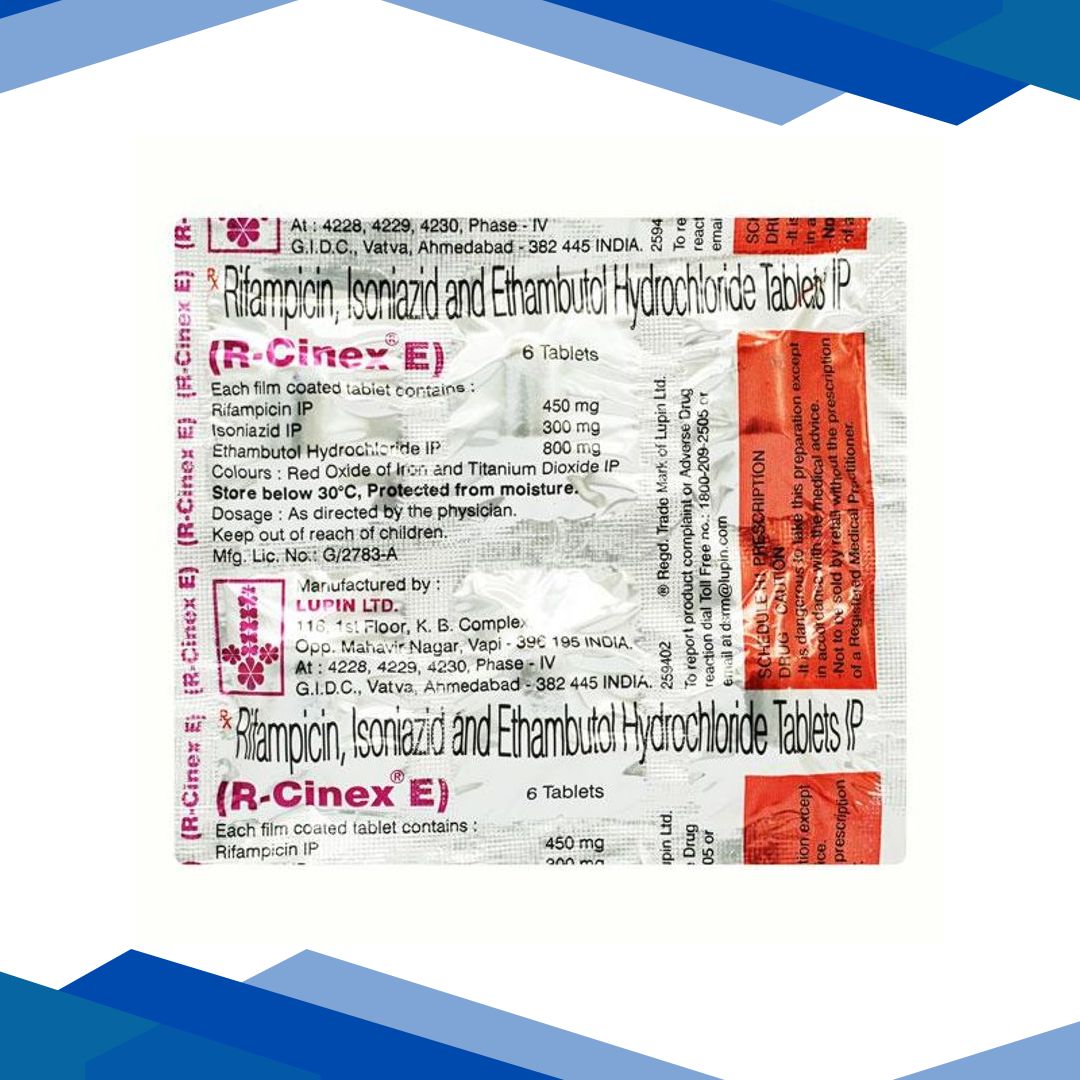
AKT 3 Combipack 1’s
❌ Due to high demand, this product is currently out of stock. New stock will be available shortly.
👉 Click here to Buy Same Salt medicine
AKT 3 Combipack is an antibiotic medicine used to treat tuberculosis, a serious bacterial infection that mainly affects the lungs but can also spread to other parts of the body. It works by stopping the growth of the tuberculosis bacteria, helping the immune system and other anti-TB medicines clear the infection more effectively. AKT 3 Combipack is usually used as part of a combination treatment rather than alone, because using multiple medicines helps improve treatment success and reduce the chance of resistance. It is prescribed under medical supervision, since regular monitoring may be needed during treatment. This medicine helps control the infection and supports recovery when taken exactly as directed by a healthcare professional.
Description
AKT 3 Combipack is an important anti-tuberculosis medicine used as part of combination treatment for infections caused by mycobacterium tuberculosis. it is not usually used alone because tuberculosis bacteria can become resistant to it if it is given by itself. in clinical practice, AKT 3 Combipack is commonly included in the early phase of tb treatment to help reduce the number of bacteria while other medicines work to fully eliminate the infection. it is considered a bacteriostatic agent, which means it mainly stops bacteria from multiplying rather than killing them outright.
AKT 3 Combipack works by interfering with the formation of the mycobacterial cell wall, which is essential for the survival and growth of the tb organism. specifically, it inhibits an enzyme involved in the synthesis of arabinogalactan, a key component of the mycobacterial cell wall. when this structure is disrupted, the bacteria become weaker and less able to spread. because tuberculosis is a slow-growing and resilient infection, treatment usually requires several medicines taken over a prolonged period under medical supervision.
this medicine is primarily for people diagnosed with active tuberculosis, especially when a healthcare professional wants to use multiple drugs at the same time to prevent resistance. it may also be used in certain cases involving other mycobacterial infections, depending on specialist advice and local treatment guidelines. AKT 3 Combipack should only be used under the direction of a doctor, since monitoring is important?articularly for vision changes, which are one of its best-known safety concerns.
although AKT 3 Combipack is generally well tolerated when used appropriately, it requires careful attention to symptoms such as blurred vision, color vision changes, or eye pain. these effects can signal optic nerve toxicity, a serious adverse reaction that may become more likely with higher doses, longer treatment, kidney problems, or in people with pre-existing eye disease. for this reason, patients are often advised to report any visual changes promptly and may need periodic eye examinations during treatment.
ingredients
- AKT 3 Combipack: the active ingredient responsible for the medicine? anti-tubercular effect. it works by disrupting the formation of the mycobacterial cell wall, helping to control tuberculosis infection as part of combination therapy.
- inactive ingredients: depending on the manufacturer and formulation, tablets or other dosage forms may contain substances such as binders, fillers, disintegrants, coating agents, and lubricants. these do not treat the infection directly, but they help make the medicine stable, easy to manufacture, and suitable for swallowing.
- film coating or capsule materials: some products may include coating materials that improve appearance, protect the tablet, or make it easier to take. the exact non-medicinal components vary by brand, strength, and country of manufacture.
key uses
- treatment of active tuberculosis: AKT 3 Combipack is used with other anti-tb medicines to help treat active pulmonary or extrapulmonary tuberculosis. combination therapy is essential to reduce resistance and improve treatment success.
- prevention of drug resistance in tb therapy: it is often added early in treatment to strengthen the regimen while diagnosis and sensitivity information are being reviewed. its inclusion helps reduce the chance that the tb bacteria will adapt to single-drug pressure.
- selected non-tuberculous mycobacterial infections: in some specialist-directed cases, AKT 3 Combipack may be part of therapy for infections caused by certain non-tuberculous mycobacteria. this use depends on culture results, resistance patterns, and expert guidance.
- part of individualized treatment plans: for patients with complex tb histories, prior treatment exposure, or suspected resistant organisms, doctors may include AKT 3 Combipack while tailoring therapy based on clinical and laboratory findings.
how to use
AKT 3 Combipack should be taken exactly as prescribed by a healthcare professional and is usually used as part of a multi-drug tuberculosis regimen. it is commonly taken by mouth, with or without food, although taking it with food may help reduce stomach upset in some people. the timing and duration are determined by the treatment plan, the type of infection, and the patient? overall health. because tb treatment is long and complex, it is very important not to stop the medicine early, even if symptoms improve, unless a doctor instructs otherwise.
swallow the medicine with water and try to take it at the same time each day if you are instructed to use it daily. consistent use helps maintain steady medicine levels in the body. if you are taking other tb medicines, follow the full regimen carefully because missing doses can reduce treatment effectiveness and increase the risk of resistance. if you are uncertain about how to take AKT 3 Combipack, or if you have trouble swallowing tablets, ask a pharmacist or doctor for practical guidance rather than changing the dose on your own.
because AKT 3 Combipack can affect vision, patients may be asked to have baseline eye testing before starting treatment and follow-up vision checks during therapy, especially if treatment will be prolonged. report any change in vision immediately, including blurred vision, difficulty seeing colors, or reduced sharpness. people with kidney impairment may need extra monitoring because the medicine can accumulate in the body when the kidneys do not clear it normally.
safety information
- warnings: AKT 3 Combipack can cause optic neuritis, a potentially serious eye-related adverse effect that may lead to decreased visual acuity or altered color vision, especially red-green discrimination. the risk increases with longer use, higher exposure, and impaired kidney function. any new visual symptom should be treated as urgent and reported promptly. patients should not ignore blurred vision or color changes, even if mild.
- side effects: common side effects may include nausea, vomiting, stomach discomfort, abdominal pain, headache, dizziness, and feeling generally unwell. less common but more serious effects include vision loss, optic nerve inflammation, allergic reactions, liver-related problems, numbness or tingling, joint pain, and skin reactions. severe rash, swelling, breathing difficulty, or sudden visual changes require immediate medical attention.
- precautions: AKT 3 Combipack should be used carefully in people with kidney disease, pre-existing eye disorders, diabetes, advanced age, or a history of medication-related vision problems. extra caution is needed in those who cannot reliably describe or detect vision changes, such as very young children or individuals with communication difficulties. regular follow-up helps detect toxicity early.
- pregnancy/breastfeeding: AKT 3 Combipack may be used during pregnancy if the potential benefit outweighs the risk, especially when treating active tuberculosis, which itself can be dangerous if left untreated. in breastfeeding, the medicine may pass into milk in small amounts, but doctors often consider treatment when needed because controlling tb is important. a healthcare professional should evaluate the overall regimen and monitor both mother and baby as needed.
- interactions: AKT 3 Combipack may interact with other medicines used in tb treatment and with drugs that affect kidney function or have overlapping toxicity concerns. alcohol is generally not advised in large amounts during tuberculosis therapy because it can worsen stomach upset and increase strain on the liver when combined with other anti-tb medicines. always tell your doctor or pharmacist about all prescription drugs, over-the-counter products, herbal supplements, and vitamins you are taking.
additional information
- storage: store AKT 3 Combipack at room temperature in a dry place away from excessive heat, moisture, and direct sunlight. keep the medicine in its original container and out of reach of children and pets. do not use tablets that are expired, damaged, or discolored unless a pharmacist confirms they are safe.
- missed dose: if you miss a dose, take it as soon as you remember unless it is almost time for the next dose. if it is close to the next scheduled dose, skip the missed dose and continue with your regular schedule. do not double the dose to make up for a missed one, because this can increase the risk of side effects without improving treatment.
- overdose: an overdose may increase the risk of severe nausea, vomiting, dizziness, confusion, and particularly eye-related toxicity. if too much AKT 3 Combipack is taken, seek emergency medical help or contact a poison control center right away. carry the medicine package with you if possible so healthcare providers can identify the product and strength quickly.
- habit forming: no. AKT 3 Combipack is not known to be habit forming or addictive. however, it must be taken exactly as prescribed because irregular use can weaken tuberculosis treatment and contribute to treatment failure or drug resistance.
frequently asked questions
Q: what is AKT 3 Combipack used for?
A: AKT 3 Combipack is used mainly as part of combination therapy for active tuberculosis. it helps stop the growth of tb bacteria and reduces the chance of resistance when used with other anti-tubercular medicines.
Q: can AKT 3 Combipack affect eyesight?
A: yes. one of the most important safety concerns with AKT 3 Combipack is optic nerve toxicity, which can cause blurred vision or changes in color vision. any visual symptom should be reported to a doctor immediately.
Q: should AKT 3 Combipack be taken with food?
A: it can usually be taken with or without food. if it causes stomach upset, taking it with food may help. follow the instructions given by your healthcare professional.
Q: why is AKT 3 Combipack not used alone?
A: it is not used alone because tb bacteria can develop resistance if AKT 3 Combipack is given by itself. it is typically combined with other anti-tb medicines to improve effectiveness and reduce resistance.
Q: do i need eye tests while taking AKT 3 Combipack?
A: your doctor may recommend baseline and follow-up eye checks, especially if treatment is prolonged or if you have kidney problems or any existing eye disease. these tests help detect early vision changes.
Q: is AKT 3 Combipack safe in kidney disease?
A: it may require dose adjustment or closer monitoring in kidney disease because the medicine is cleared by the kidneys. a healthcare professional should decide the safest approach for your situation.
Q: what should i do if i miss a dose?
A: take the missed dose when you remember unless it is nearly time for the next one. if so, skip the missed dose and continue normally. do not take two doses at once.
Q: can i drink alcohol while taking AKT 3 Combipack?
A: alcohol is best limited or avoided during tuberculosis treatment because it can worsen side effects and may add strain when used with other tb medicines. ask your doctor for advice based on your full regimen.
Q: is AKT 3 Combipack used for all types of infections?
A: no. it is mainly used for tuberculosis and only selected mycobacterial infections under specialist guidance. it is not a general antibiotic for routine infections.
Q: how long will i need to take AKT 3 Combipack?
A: the duration depends on the tb treatment plan, the type of infection, and your response to therapy. your doctor will determine the length of treatment and whether the medicine should be continued or stopped.
this information is for educational purposes only and should not be considered medical advice. always consult a qualified healthcare professional before use.
At Gem Pharmacy, we make every effort to provide accurate, expert-written, and thoroughly reviewed information related to medicines. However, this information should not be considered a substitute for professional medical advice, diagnosis, or treatment from a qualified doctor.
The purpose of this information is to educate users and improve communication between patients and healthcare professionals. It should not be used to diagnose or treat any condition.
Always consult a certified healthcare professional before taking any medication.


Related products